
BURST PIPE CLEANUP IN GARLAND
Burst Pipe Water Damage Cleanup in Garland, TX
A sudden North Texas freeze can leave a Garland home with a broken water pipe and water dripping through the ceiling. Pipes can fail in warmer weather, too. A broken supply line behind a bathroom wall or beneath a sink can soak drywall, cabinets, and flooring before the leak is discovered.
Shutting off the water stops the flow, but it does not dry the materials already wet.
Pipe burst in your Garland home or business? Call +1 (945) 325-1998 now for burst pipe water damage cleanup help. Tell us where the pipe broke and which rooms are affected.
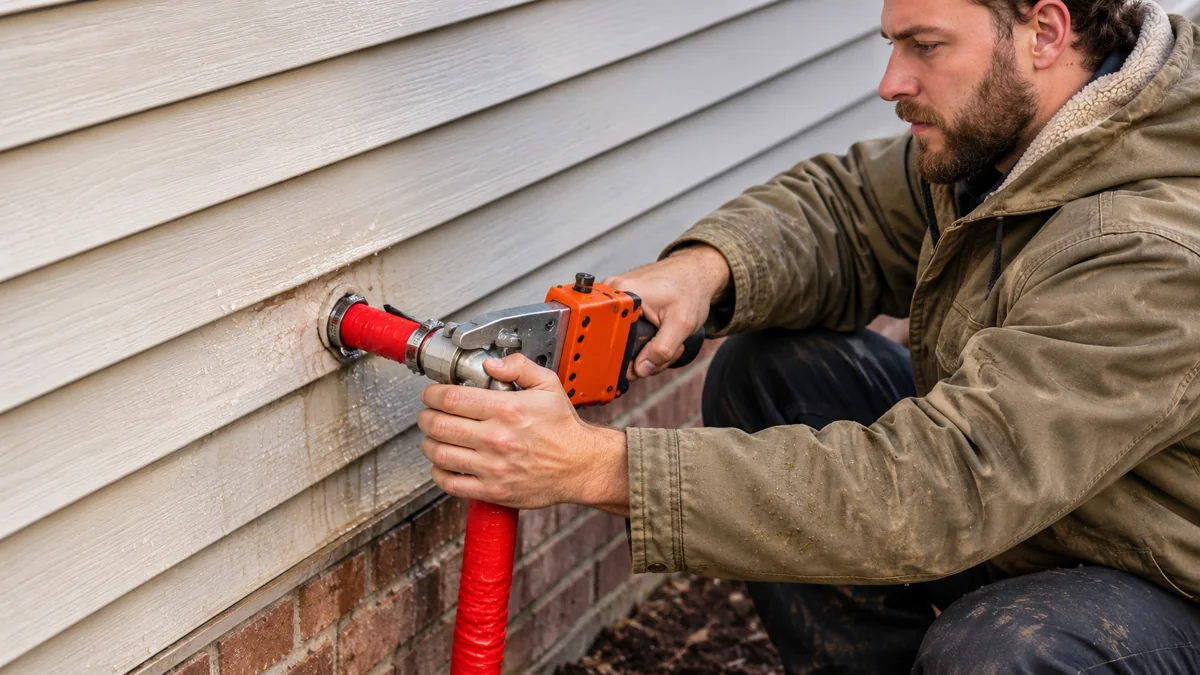
START HERE
Pipe Burst in Your Garland Home? Here’s What to Do First
A broken supply line can send water beneath flooring and into adjoining rooms before you reach the shutoff valve. Stop the flow if it is safe, then check the visible damage without putting yourself at risk.
Turn off the nearest working supply valve or the main shutoff if it is safe to reach. If the water is still flowing and you cannot stop it, contact a plumber.
Do not enter standing water near outlets, appliances, light fixtures, or an electrical panel. Never reach a breaker through floodwater.
A burst attic line can soak ceiling drywall and insulation. Stay out from beneath any ceiling that appears swollen, bowed, or unstable.
Look for wet baseboards, carpet edges, swollen cabinet bases, and spreading stains. Take photos only if the area is safe.
Once the flow stops, check the adjoining walls and rooms. A puddle in a bathroom may have reached hallway flooring, while an attic leak may have soaked the ceiling cavity before any water appeared below.
Broken pipe left standing water or soaked materials? Call +1 (945) 325-1998 for cleanup help.
FOLLOW THE WATER
Where Did the Pipe Burst—and What Could Be Damaged?
Where a pipe fails usually determines which surfaces become wet. A broken attic line can affect a ceiling and insulation. A supply connection behind a wall can spread moisture into adjoining drywall and flooring. Here are four common situations.
Water can soak overhead insulation and ceiling drywall before appearing as a stain, drip, or sagging area below.
Moisture may travel inside the wall cavity, reach baseboards, and soak the floor in an adjoining room.
A failed sink or toilet connection can send water under cabinets, behind appliances, and across flooring seams.
A broken connection can soak nearby floors, wallboard, and stored belongings before the water is shut off.
A ceiling stain, swollen toe-kick, or lifting laminate may be the first visible sign. The damage is not always limited to the room where the pipe broke, which is why the path of the water matters.
If the pipe is still leaking or several rooms are affected, our Emergency Water Damage Restoration page explains broader emergency cleanup.
AFTER THE PIPE REPAIR
The Pipe Is Fixed. Why Are Your Walls and Floors Still Wet?
A plumber repairs the broken line, but the water that escaped may remain inside drywall, carpet padding, cabinets, or the subfloor. Imagine a supply line behind a bathroom wall breaks while no one is home. The plumber stops the leak, yet the baseboard and hallway carpet remain damp.
The water can stay inside the wall cavity even after the floor looks dry. Carpet padding may retain moisture below the surface, and wood-based cabinets can swell where water collected underneath.
That is why plumbing repair and water damage cleanup are separate jobs. A plumber addresses the failed connection. A restoration provider assesses where the water traveled and which affected materials need drying or removal.
If the pipe has already been fixed but the surrounding walls or floors are wet, call +1 (945) 325-1998 for burst pipe water damage cleanup help.
THE CLEANUP PROCESS
What Happens During Burst Pipe Water Damage Cleanup?
Cleanup begins by finding where the escaped water went. A small sink connection leak may affect one cabinet base, while a broken attic line can soak insulation and several rooms. The work depends on the water source, affected materials, and measured moisture.
Inspect ceilings, drywall, flooring, cabinets, and adjoining spaces. Moisture meters can help locate wet materials beyond the visible puddle.
Water extraction may be needed where a broken pipe has flooded floors or collected in accessible parts of the property.
Check drywall, insulation, carpet padding, and cabinet bases to decide what can be dried and what may need removal.
Suitable materials may be dried using air movers and dehumidifiers according to the conditions and moisture readings.
Follow-up readings help determine whether concealed areas, subfloors, and wall cavities need more drying.
Ask which areas were found wet and why particular materials need attention. If your immediate problem is standing water, see our Water Extraction & Water Removal page.
WHAT CAN BE SAVED
Can Wet Ceilings, Drywall, Cabinets, and Floors Be Saved?
After the pipe is repaired, the next worry is often whether the walls and floors must be torn out. Not every wet material needs replacement. The decision depends on its condition, the water source, and how long it has been saturated.
Ceiling drywall and attic insulation. A broken attic pipe can soak overhead materials before dripping into the room. Sagging or badly damaged drywall may need removal, and saturated insulation must be assessed.
Walls and baseboards. Water can move inside a wall cavity and absorb into gypsum board. Swollen trim, bubbling paint, or soft drywall can show that the area needs closer inspection.
Cabinet bases and flooring. Water beneath a sink can sit behind toe-kicks and under flooring. Particleboard may swell, while hardwood or laminate can cup, lift, or separate.
Carpet and padding. A carpet may feel nearly dry while the pad and subfloor remain wet. Whether they can stay depends on saturation, material condition, and water quality.
The right question is which materials can be dried properly and which have lost their integrity. An assessment should explain the reasons instead of assuming every wall or floor needs demolition.
Ceiling stained or cabinets swelling after a pipe burst? Call +1 (945) 325-1998 for water damage cleanup help.
HIDDEN MOISTURE
The Leak Has Stopped. How Do You Know Everything Is Dry?
After a pipe break, the floor can feel dry while moisture remains under the surface. A wall might look normal even though wet insulation sits behind the painted drywall.
Water may remain in carpet padding, beneath flooring seams, under cabinet bases, and inside wall cavities. These materials do not always dry at the same rate as the exposed surface.
Restoration providers may use moisture meters to identify affected materials, then air movers and dehumidifiers where suitable. Drying decisions should follow the condition of the material rather than the appearance of the room.
The EPA advises drying wet building materials as quickly as possible, ideally within 24–48 hours when feasible, to help reduce mold growth. That is guidance to act promptly, not a guaranteed drying time.
If the pipe was repaired yesterday but the carpet edge is still damp or the baseboard is swollen, the remaining moisture deserves attention.
CHECK THE SURFACES YOU CANNOT SEE
Dry-looking walls, flooring seams, and cabinet bases can conceal moisture. A material assessment can identify what needs further drying.
LOCAL BURST PIPE CLEANUP
Burst Pipe Cleanup Across Garland, From Firewheel to Downtown
A burst pipe can affect a home, apartment, storefront, or office anywhere in Garland. North Texas freezes can damage vulnerable exposed plumbing, but fittings and supply lines can also fail during warmer weather. What matters for cleanup is where the water reached and which materials became wet.
In the Firewheel and North Garland area, a broken attic supply line could soak ceiling insulation and a bedroom below. Around Downtown Garland and established residential blocks, a failed bathroom or kitchen line could leave damp drywall, baseboards, and adjoining flooring. These are possible situations, not reports of specific jobs.
For businesses along the Highway 78 corridor, a water connection failure could affect interior partitions, flooring, and stored items. In a rental or shared building, it may also affect adjoining spaces. When calling about a Garland property, mention the ZIP code, whether the building is residential or commercial, and which rooms became wet.
Whether the pipe broke during a freeze or on a warm day, stop the leak safely first. If water entered ceilings, walls, or floors, call +1 (945) 325-1998 for burst pipe water damage cleanup help.
WHEN TO CALL
When Should You Call for Burst Pipe Water Damage Cleanup?
Not every plumbing drip requires restoration. A small leak caught before it reaches porous materials may only need pipe repair and ordinary cleaning. Professional cleanup becomes worth considering when water enters ceilings, drywall, insulation, carpet padding, or subfloors.
Look for these signs after the pipe is shut off:
Water is dripping through a ceiling or the ceiling is stained or sagging.
Standing water has spread from the leak into one or more adjoining rooms.
Drywall, carpet padding, insulation, or a subfloor has become soaked.
Baseboards, cabinet bases, or wood-based flooring are swelling or lifting.
The plumber fixed the pipe, but the room remains damp or smells musty.
A business, rental unit, or shared interior wall has water damage.
If the pipe is still leaking, get plumbing help to control the source. After that, the water-damaged materials may require assessment, extraction, and drying.
You do not need to know exactly how far the water traveled before calling. Tell us what broke and which surfaces are wet so the independent provider can discuss next steps.
BURST PIPE QUESTIONS
Burst Pipe Water Damage FAQs
What should I do if a pipe bursts in my Garland home at night?
Turn off the water if the valve is safe to reach. Stay clear of wet electrical areas and sagging ceilings. Contact a plumber if the leak remains active. If ceilings, walls, or floors are soaked, arrange water damage cleanup as well.
Can a burst attic pipe damage rooms below?
Yes. Water may saturate insulation and ceiling drywall before it reaches the room below. A stain or drip may not reveal the full affected area. Avoid unstable ceilings and have the wet materials assessed.
Do I need cleanup after a plumber fixes a broken pipe?
Possibly. The plumber stops the leak, but trapped moisture may remain behind drywall, under flooring, or inside carpet padding and cabinet bases. Those materials may need further inspection and drying.
Can pipes burst in Garland when it is not freezing?
Yes. Pipe corrosion, deterioration, damaged connections, and pressure-related failures can occur in any season. Freezing temperatures are only one possible cause.
How can I tell whether water remains behind drywall?
Bubbling paint, swollen trim, soft drywall, lifting flooring, or a persistent damp smell may indicate concealed moisture. Moisture testing can help identify affected areas that do not look wet.
How long does drying take after a burst pipe?
Drying depends on how much water escaped, how long materials were wet, and whether insulation, subfloors, or wall cavities are affected. Moisture readings help determine when appropriate drying conditions have been reached.
Pipe Burst in Garland? Call for Water Damage Cleanup Help
A pipe can be repaired in one spot while water remains in the nearby ceiling, drywall, cabinets, or flooring. If those materials are still wet, the next step is determining how far the moisture traveled and what cleanup is needed.
Call +1 (945) 325-1998 now for burst pipe water damage cleanup help in Garland, TX. Tell us where the pipe broke, whether the water is off, and which rooms are affected. Garland callers can be connected with independent water damage providers to discuss the next steps.