
Garland Water Restoration co.
Water Damage Restoration in Garland, TX
Burst pipe, leaking water heater, or stormwater inside? We help Garland homeowners and businesses remove water, find hidden moisture, and dry affected areas. Not sure what to do first? Call and tell us what happened.
- Fast response
- Moisture tracking
- Residential & commercial
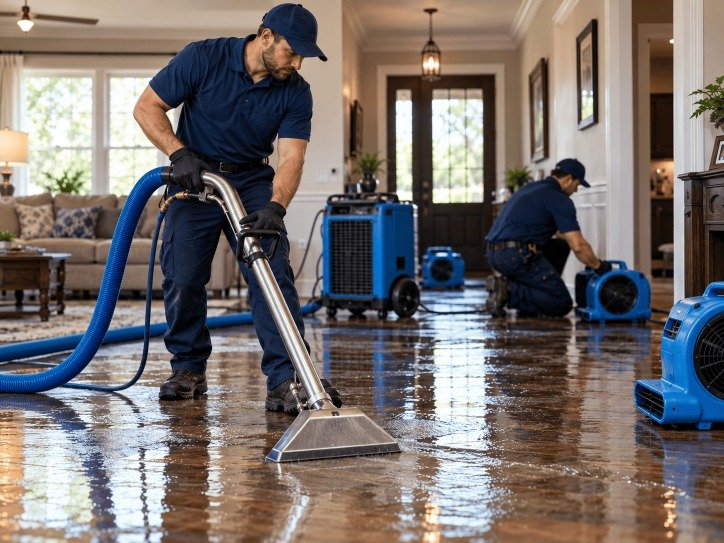
Water Damage Services
Water Damage Services in Garland, TX
The right response depends on the source, how far the water traveled, which materials got wet, and whether contamination is involved.
Emergency Water Removal
Remove standing water so assessment and drying can begin before moisture spreads.
Water Extraction
Pull bulk water from floors, carpet, padding, and low areas once the source is under control.
Water Mitigation
Limit further damage, protect dry areas, and prepare affected materials for drying.
Structural Drying
Use controlled airflow and dehumidification to dry wet walls, floors, and subfloors.
Storm & Flood Cleanup
Address stormwater and outdoor flooding with cleanup steps matched to the water and affected materials.
Residential & Commercial
Help for homes, apartments, rentals, offices, and storefronts affected by water.
CUSTOMER TESTIMONIALS
What Garland Homeowners Are Saying
From emergency calls to the final moisture check, clear answers make a difference.
“Our pipe burst late at night. They responded quickly, explained what to do next, and kept us up to date throughout the cleanup.”
- Garland, TX
“We thought the floor was dry, but moisture checks found water underneath. They explained every step and checked moisture levels until the drying was done.”
- Garland, TX
“We were worried about unexpected charges. They explained what work was actually needed, gave us a clear estimate, and helped with the insurance paperwork.”
- Garland, TX
First Steps
Water Damage in Garland? What to Do Right Now
If water is still coming in, focus first on stopping more damage and keeping people safe from visible hazards.
Stop the source
Shut off the fixture, appliance supply line, or main valve when you can do so safely.
Keep clear of electrical hazards
Do not step into standing water near outlets, appliances, exposed wiring, or the electrical panel.
Protect belongings
Move electronics, rugs, boxes, and furniture away from the wet area when it is safe.
Document the damage
Take clear photos and video of the source, affected rooms, and visible damage before major cleanup.
The puddle may disappear before hidden moisture does. Drywall, flooring, cabinets, and insulation can stay wet after the surface looks dry.
Who Handles What?
Plumber or Water Damage Restoration Company?
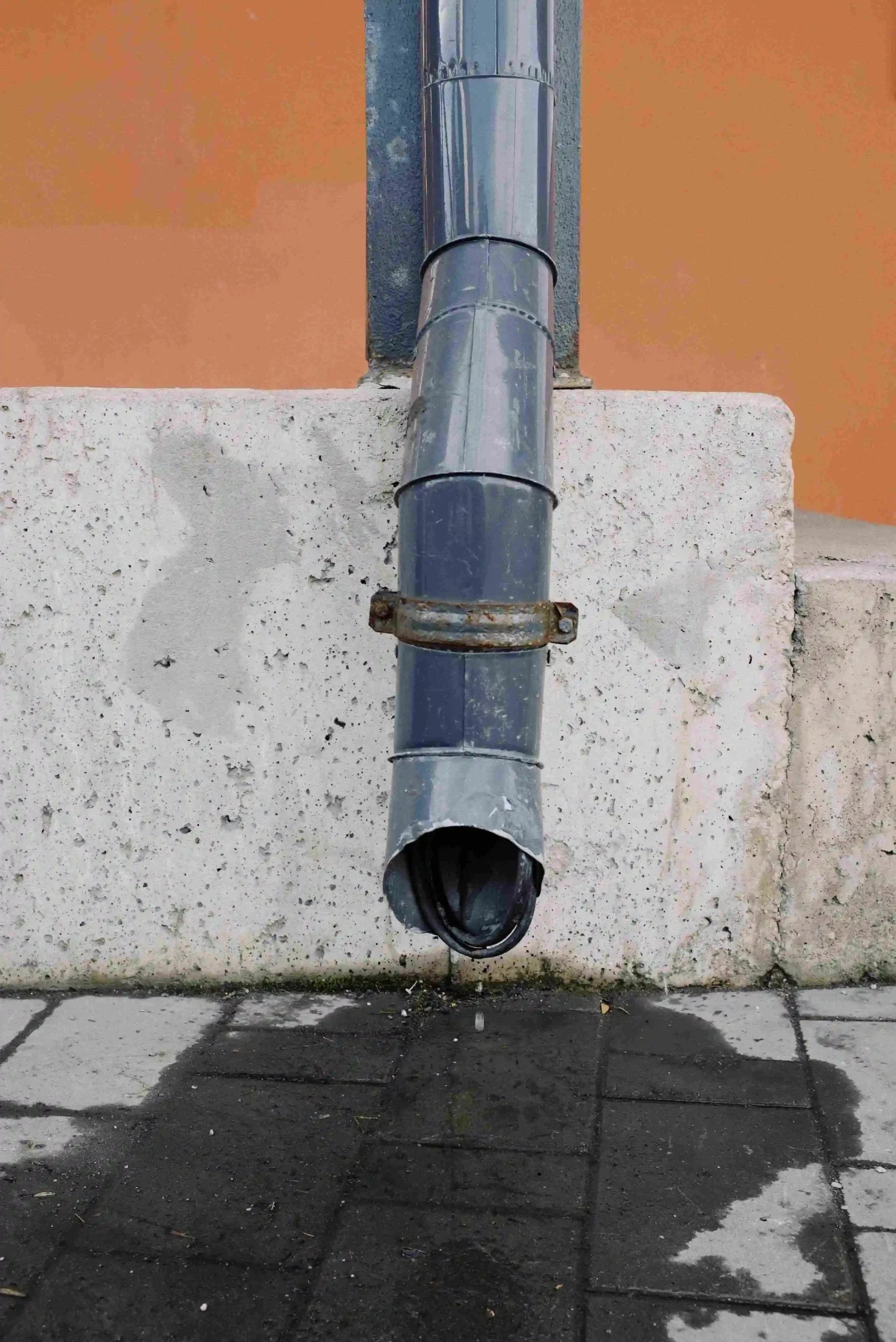
After a plumbing leak, the answer is often both. One fixes the source. The other deals with the water that already entered the property.
Plumber
Finds, stops, or repairs the source.
- Burst or leaking pipe
- Water heater leak
- Toilet or appliance supply line
- Slab or fixture leak
Water Restoration
Handles water and moisture already inside the structure.
- Water extraction
- Moisture mapping
- Water mitigation
- Structural drying
Fixing the leak does not dry wet drywall, flooring, insulation, framing, or subflooring.
Common Water Damage Problems
Water Damage Cleanup for Common Problems in Garland
Garland properties can face plumbing failures, appliance leaks, roof leaks, rising weather, sewage backups, stormwater, and outdoor flooding.
Burst Pipes & Slab Leaks
Water from supply lines, slab leaks, hidden plumbing, or fixture failures can soak walls and floors fast.
Storm, Roof & Flood Water
Heavy North Texas rain can enter through roofing, flashing, vents, windows, doors, and low thresholds.
Water Heater & Appliance Leaks
Leaks from water heaters, dishwashers, refrigerators, toilets, sinks, and washers can reach hidden areas.
Sewage Backups
Water from a sewer line, floor drain, or toilet can need different cleanup decisions than clean-water leaks.
How the Work Flows
How Water Extraction, Mitigation & Drying Work
Water damage restoration is more than removing the visible water. The work follows the moisture until affected materials are actually dry.
Assess
Identify the source, affected rooms, materials, and possible contamination.
Map Moisture
Check walls, floors, ceilings, cabinets, and other areas water may have reached.
Extract
Remove as much standing water as practical from floors, carpet, pad, and other affected areas.
Dry
Use air movement and dehumidification based on the materials and conditions.
Monitor
Repeat moisture readings until wet or at-risk materials return to dry targets.
Dry on readings, not guesses
A floor can feel dry on top while subfloor, baseboard, or wall framing is still damp.
Hidden Moisture
How Hidden Water Damage Is Found
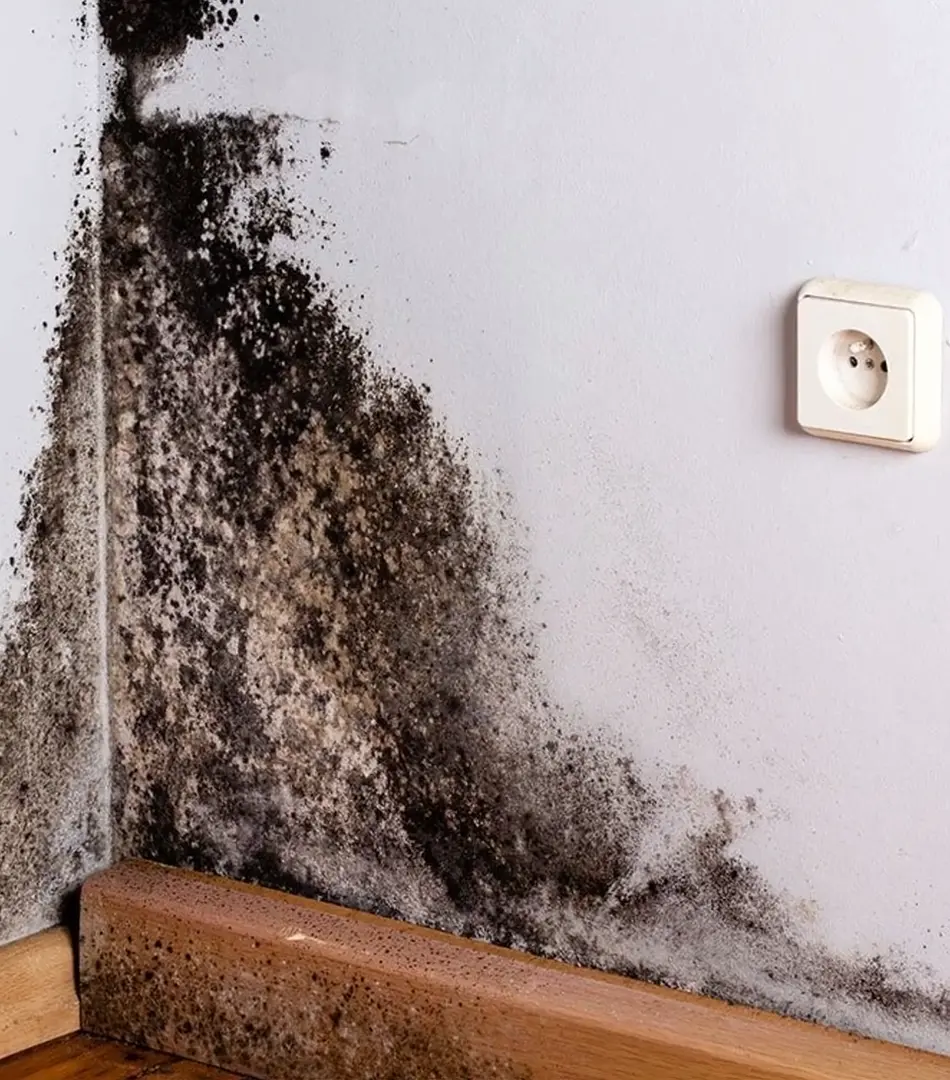
Water can move behind drywall, under flooring, into insulation, beneath cabinets, and through other spaces before anyone sees a stain.
Walls
Drywall, baseboards, studs, insulation.
Floors
Carpet, pad, laminate, tile, and subflooring.
Ceilings
Drywall and insulation below fixtures, roofs, or upstairs plumbing.
Cabinets
Toe kicks, bases, and cabinet flooring.
The key question is simple: where did the water travel, and which materials are still wet?
Property Types
Residential & Commercial Water Damage Restoration
The priorities change with the property, but the core job stays the same: find the water, control the damage, and dry what is still wet.
Homes, Apartments & Rentals
Common concerns include wet drywall, flooring, insulation, furniture, and the documentation needed for repairs and claims.
Commercial Properties
Offices, stores, restaurants, and warehouses often need quick drying, clear scope notes, and minimal disruption to operations.
Terms You May Hear
Mitigation, Remediation & Restoration: What's the Difference?
Mitigation
Stopping more damage: removing standing water, protecting unaffected areas, and starting the drying process.
Remediation
A term sometimes used for the contaminated materials, mold-related conditions, or hazardous cleanup.
Restoration
The wider recovery process and, in some cases, repairs after mitigation and drying are complete.
When comparing estimates, ask exactly what is included: extraction, drying, demolition, plumbing repair, mold-related work, and reconstruction are not automatically the same service.
Insurance Documentation
Documenting Water Damage for a Claim
If you may file a claim, start documenting the loss as soon as it is safe.
- Photograph the apparent source and each affected area
- Capture standing water, flooring, ceilings, drywall, and cabinets
- Photograph damaged belongings and emergency-response materials
- Keep plumbing invoices and emergency-response receipts
- Keep estimates, invoices, photos, and drying records together
Coverage depends on your policy, deductible, exclusions, endorsements, and the cause of the loss. Your insurer or agent can explain how your policy applies.
Keep a clear paper trail
Photos, moisture readings, drying records, scope details, and invoices from the first day through the end of the job.
What to Expect
Clear Answers Before and During the Work
Fast response matters, but so does knowing what was found, what is recommended, and what happens next.
Clear Scope
Know which areas are affected and what work is being recommended.
Moisture Tracking
Drying progress tied to readings for the materials that were wet.
Property Protection
Immediate disruption limited while drying and cleanup are under way.
Job Documentation
Notes, photos, estimates, and records that can support your claim.
Local Garland Coverage
Water Damage Restoration Across Garland, TX
We serve Garland ZIP codes 75040, 75041, 75042, 75043, and 75044.
Plumbing and appliance leaks affect kitchens, bathrooms, garages, and utility rooms. Stormwater can reach walls, ceilings, and wall cavities. Properties near local creeks and drainage paths have their own drying considerations.
- Duck Creek
- Rowlett Creek
- Spring Creek
- Firewheel
- Belt Line Road
- Broadway Boulevard
Questions Homeowners Ask
Water Damage Restoration FAQs for Garland, TX
How much does water damage restoration cost in Garland, TX?
There is no reliable flat price without knowing the source, affected area, materials, how long they have been wet, and whether the water is clean or contaminated. Drying scope and repair can change the total.
Does homeowners insurance cover water damage?
It depends on your policy and the cause of the loss. Sudden, accidental leaks are treated differently from long-term seepage or flooding. Ask your insurer or agent.
How long does water damage restoration take?
Drying often takes several days, and repairs add more time. The timeline depends on materials, the amount of water, and drying readings.
Should I call a plumber or a water damage restoration company?
Often both. A plumber repairs the source; a restoration company removes the water and dries the structure.
Do I need restoration after the leak is fixed?
Usually if materials got wet. Drywall, flooring, insulation, and cabinets can hold moisture after the leak stops.
Need Help Now?
Need Emergency Water Damage Help in Garland?
Tell us where the water started, where it traveled, and what has been affected. We will help you take the next step.